Updated 2 October 2026
Going paperless means moving job sheets, invoices, quotes and compliance certificates off paper and onto a phone or tablet, and for most UK tradespeople it is a four-step switch that starts paying back in reclaimed admin time within weeks.
The Complete Guide to Going Paperless as a Tradesperson in 2026
Introduction. Still using paper job sheets, invoices, or safety certs? You’re not alone, but in 2026, it’s costing you time, money, and business. Whether you’re a plumber, electrician, heating engineer, or renewables installer, going paperless is no longer a luxury. It’s a competitive edge. In this guide, we’ll break down exactly how digital tools like Checker can transform your workflow, reduce admin, and help you grow your business without the headaches.
By Daniel Sedgwick, Founder and Managing Director of Checker

Key takeaways
In this guide
Paper-based systems might feel familiar, but they’re holding you back:
By sticking with paper, you’re spending more time on admin and less time on-site earning.
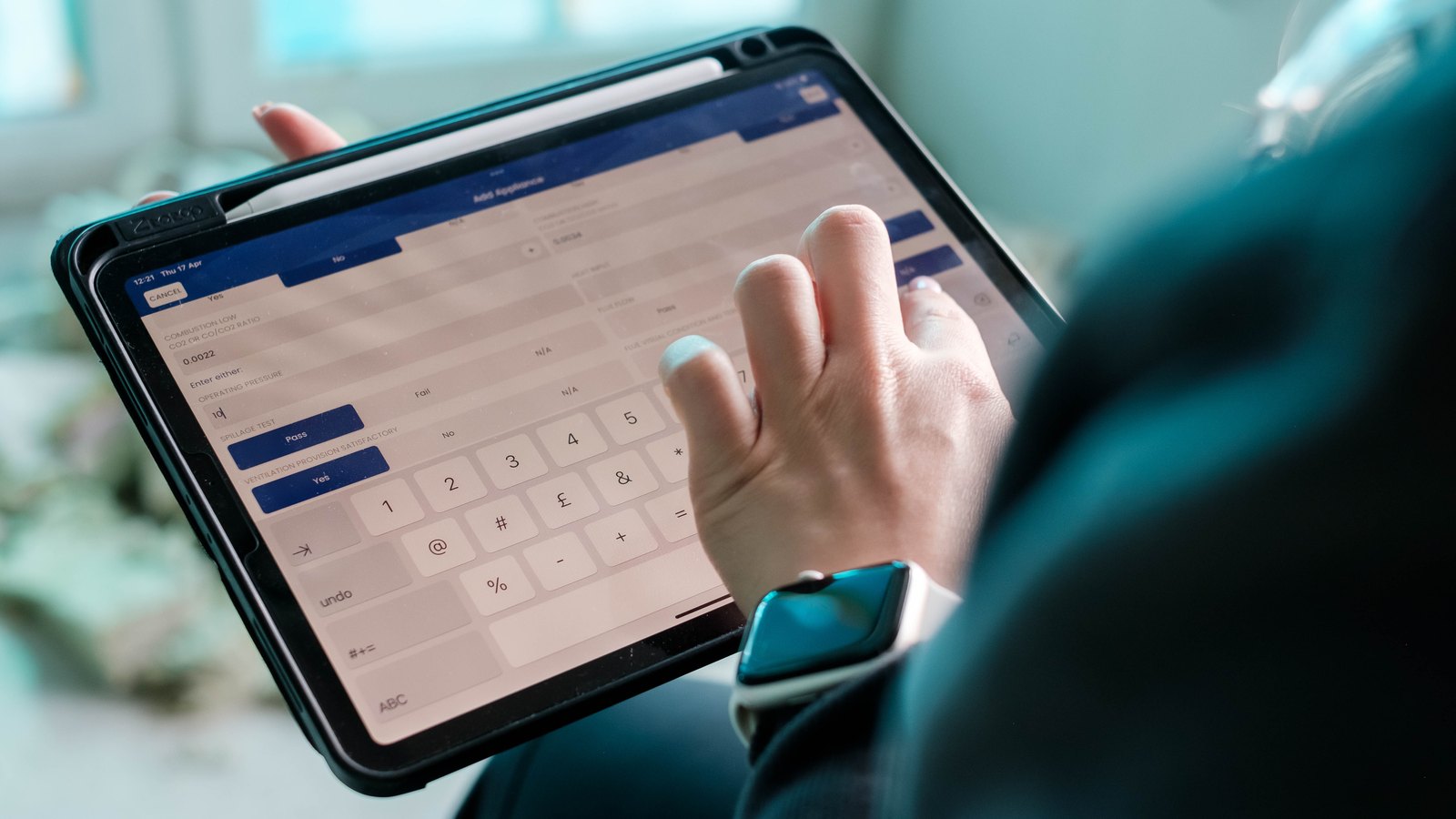
Going digital doesn’t mean complicated IT systems. With Checker, everything is done from your phone or tablet:
All your records sync securely to the cloud, so nothing gets lost.
More engineers and installers are switching because:
Going paperless isn’t just about admin. It’s about professionalism, efficiency, and reputation.
The beauty of Checker is simplicity. Here’s how most tradespeople get started:
Still using other software? No worries. We’ll help you migrate everything across. Just get in touch and we will move it for you.
Thousands of tradespeople across the UK are already using Checker to run their business more efficiently.
The mechanics of going paperless have not changed since this guide was first written, but the tools built to support it have moved on. Checker’s Growth Engine now runs four automations off the back of the digital records described above: an Appointment Reminder sent 24 hours before each job, a Quote Chaser that follows up an unanswered quote up to three times, an Invoice Chaser that keeps nudging an overdue payment and stops the moment the customer pays, and an Annual Service Reminder around 11 months after a customer record is created, turning a finished job into next year’s booking.
Plans now run Lite, Pro and Pro Plus, with Lite starting from £10.99 a month plus VAT and no lock-in contract, and invoices and payments sync two-way with Xero, QuickBooks and Sage so the books reconcile without re-keying. Close to 19,600 UK tradespeople now use Checker, and the app has been used to produce 6.88 million gas compliance reports between them, so the competitive pressure described in Section 3 above has only grown through 2026. If you’re weighing up the wider field before you commit, our round-up of the best field service management software in the UK for 2026 compares the main options side by side.
2026 is the year to streamline your business. Whether you’re a sole trader or a team of engineers, going paperless with Checker means fewer headaches, more time on the tools, and a better bottom line.
For more information and resources please visit: The National Association of professional inspectors and testers official website.
Ready to try it out? Start your free trial today
Need help getting started? Visit our Tutorials page or Contact us.
If you’re comparing systems before you switch, our buyer’s guide to choosing gas engineer software and our round-up of the best job management apps for UK tradespeople in 2026 both dig into the detail this guide only summarises. If compliance certificates specifically are your main paper headache, see the best Joblogic alternative for compliance-heavy trades, and for the CRM and repeat-business side of going digital, our CRM and repeat-business app comparison covers service reminders and job scheduling in more depth.
Going paperless does not mean complicated IT systems. With a tool like Checker, everything is done from a phone or tablet: creating and sending digital gas, electrical and renewables certificates in minutes, generating quotes and invoices on-site, scheduling jobs and viewing a team calendar at a glance, and storing customer records in a built-in CRM. All records sync securely to the cloud, so nothing gets lost.
Paper-based systems create four recurring costs: missed or misplaced certs and reports that create compliance risk, late or lost invoices that cause cashflow problems, manual scheduling that leads to missed jobs and double-bookings, and no CRM, which means lost customer history. Sticking with paper means spending more time on admin and less time on-site earning.
More engineers and installers are switching because customers expect faster communication, regulator compliance is getting stricter, job management is becoming more mobile, and competitors are already going digital. Going paperless is about professionalism, efficiency and reputation, not just admin.
Most tradespeople get started in four steps: start a free trial of Checker, use the Learn Hub to walk through setup, import old data or create a first cert, then start quoting, invoicing and scheduling straight from a device. Anyone still using other software can get help migrating everything across.
The most immediate benefits are cutting admin time by up to 10 hours a week, getting paid faster with same-day invoices, never missing an annual service thanks to automated reminders, and looking more professional to customers and clients.
Daniel Sedgwick
Daniel Sedgwick is the founder and managing director of Checker, and a former gas engineer who built the tool he wished he had on the tools.
Checker was built by a former gas engineer for the trades that carry the most paperwork: gas, electrical, plumbing and heating. It starts at £10.99 a month per sub-user plus VAT, and nothing ties you in.